In the history of American rock, The Eagles stand as one of the most successful bands of all time. Yet one surprising truth has fueled debate among critics and fans for decades: a single solo song by Don Henley achieved something even The Eagles, at their peak, never did.

That song is “The Boys of Summer,” Henley’s iconic solo hit released in 1984, during the period when The Eagles had disbanded and each member went their own way. Free from the collective identity of the band, Henley stepped into the spotlight with a track that felt both deeply personal and sharply reflective of post–1970s America.
Unlike the grand, harmony-driven rock sound associated with The Eagles, “The Boys of Summer” was cool, restrained, and introspective. It told a story of fading youth, lost love, and the quiet anxiety of realizing time moves on without mercy. That emotional restraint became its greatest strength, pushing the song into the Top 5 of the Billboard Hot 100, earning a Grammy Award, and cementing it as one of the most successful solo rock singles of its era.
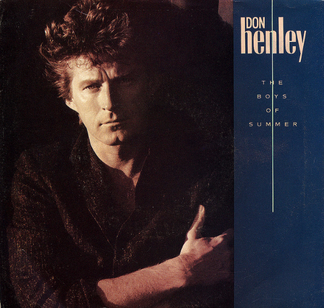
What truly set the song apart wasn’t just chart performance. Many critics argue that “The Boys of Summer” represented an artistic maturity The Eagles rarely reached within the structure of a band. No longer required to balance multiple voices and egos, Henley spoke plainly, honestly, and in his own voice.
Over time, the song has come to be seen as a mirror for an entire generation — listeners who grew up on idealism and found themselves confronting disillusionment and change. That universal theme has given the track lasting power, leading to countless covers, film placements, and frequent inclusion on lists of the greatest songs of all time.

Even today, the debates continue:
– Was Don Henley stronger as a solo artist?
– Did The Eagles limit his deeper artistic expression?
– Or did the band’s breakup make this masterpiece possible?
Whatever the answer, one thing is undeniable: “The Boys of Summer” wasn’t just a solo hit — it was the moment Don Henley stepped out of The Eagles’ shadow and secured his own place in American music history. Sometimes, stepping away from the group is exactly what it takes for an artist to truly be heard.