When The Beatles officially split, the world saw the end of the greatest band in music history. What many didn’t see was what happened next behind closed doors — Paul McCartney spiraling into depression, convinced his creative life might be over forever.
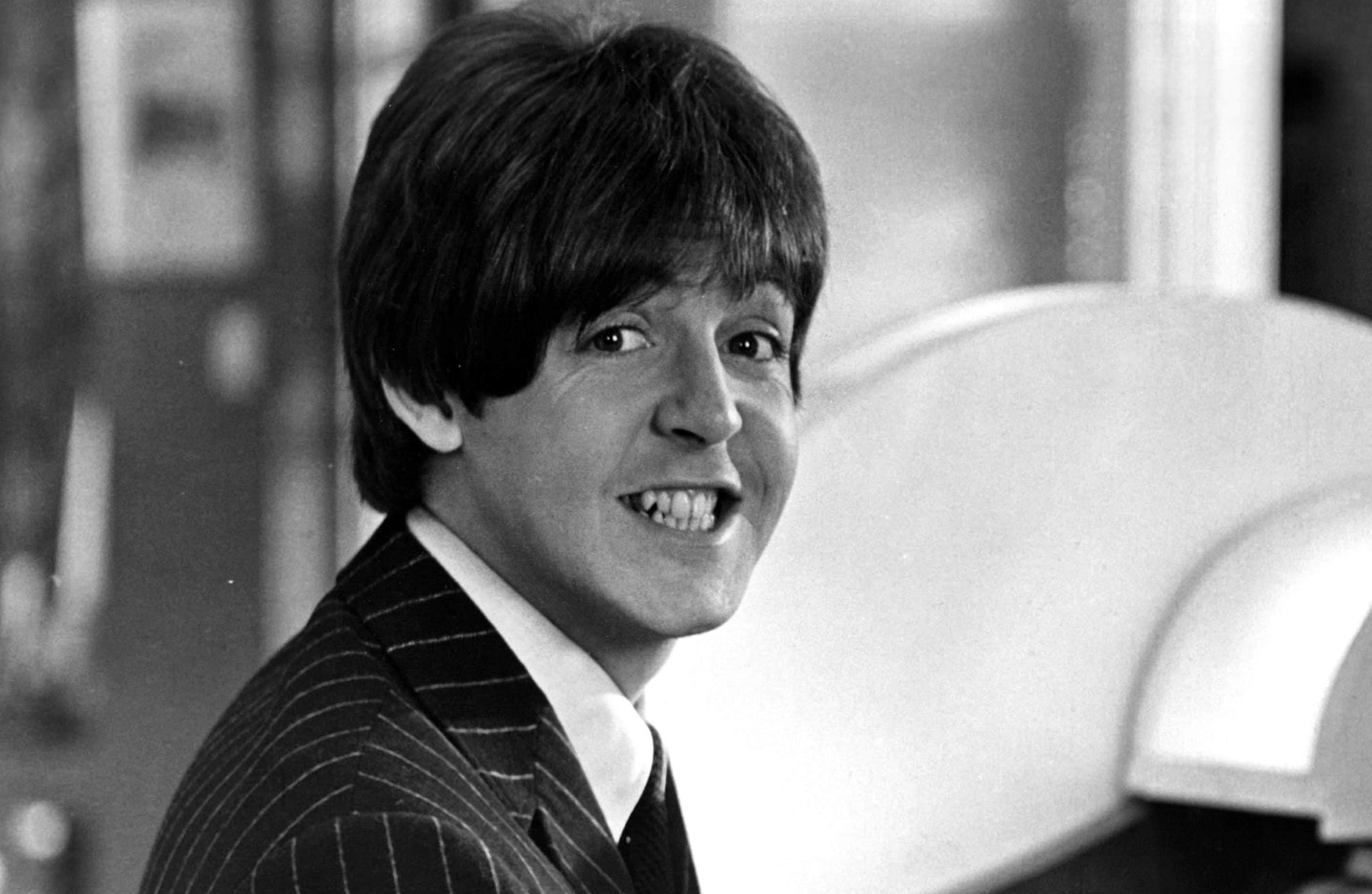
In a recent reflection, McCartney opened up about the emotional collapse that followed the band’s breakup, admitting he was deeply lost and uncertain about his future as a songwriter. For a man responsible for some of the most beloved melodies ever written, the fear was shocking in its simplicity: What if the music was gone?
After years of global adoration, relentless touring, and constant collaboration with John Lennon, George Harrison, and Ringo Starr, the silence that followed The Beatles’ breakup hit McCartney hard. He wasn’t just losing a band — he was losing an identity. “I was depressed,” McCartney admitted, recalling a period marked by heavy drinking, self-doubt, and creative paralysis.

At the time, critics were brutal. Many painted McCartney as the villain of the breakup, while others dismissed him as the “safe” Beatle whose best work was behind him. That narrative only fueled his anxiety. Without Lennon as a creative counterweight, McCartney worried he had lost the spark that once came so effortlessly.
What makes the moment so haunting is how close the world came to losing decades of music that followed. McCartney genuinely believed he might never write another song — a thought that now feels almost impossible to imagine. No Band on the Run. No Live and Let Die. No Wings. No solo renaissance.
Salvation didn’t come from ambition or strategy. It came quietly, through domestic life. Retreating to a farm in Scotland with his wife Linda, McCartney stepped away from the spotlight. There, surrounded by nature and stripped of expectation, music slowly returned — not as pressure, but as therapy. One song led to another. Confidence rebuilt itself note by note.
The story has reignited debate among fans and historians: Was McCartney always underestimated because his pain was quieter? Unlike Lennon’s raw rebellion or Harrison’s spiritual searching, McCartney’s struggle was internal — less dramatic, but no less profound.
Today, with hindsight, that dark chapter feels like the calm before an astonishing second act. McCartney didn’t just recover — he reinvented himself, proving that creativity can survive even its most terrifying droughts.
Looking back, his greatest fear never came true. But the fact that it almost did makes every song that followed feel like a miracle.
Sometimes, even legends have to relearn how to believe in themselves.