Minneapolis Mayor Jacob Frey has launched a fierce counterattack against Secretary of Homeland Security Kristi Noem’s recent comments, claiming that her rhetoric is making the city “far less safe.” In a heated exchange, Frey defended his city against accusations of lawlessness and criticized federal enforcement tactics as harmful and reckless.
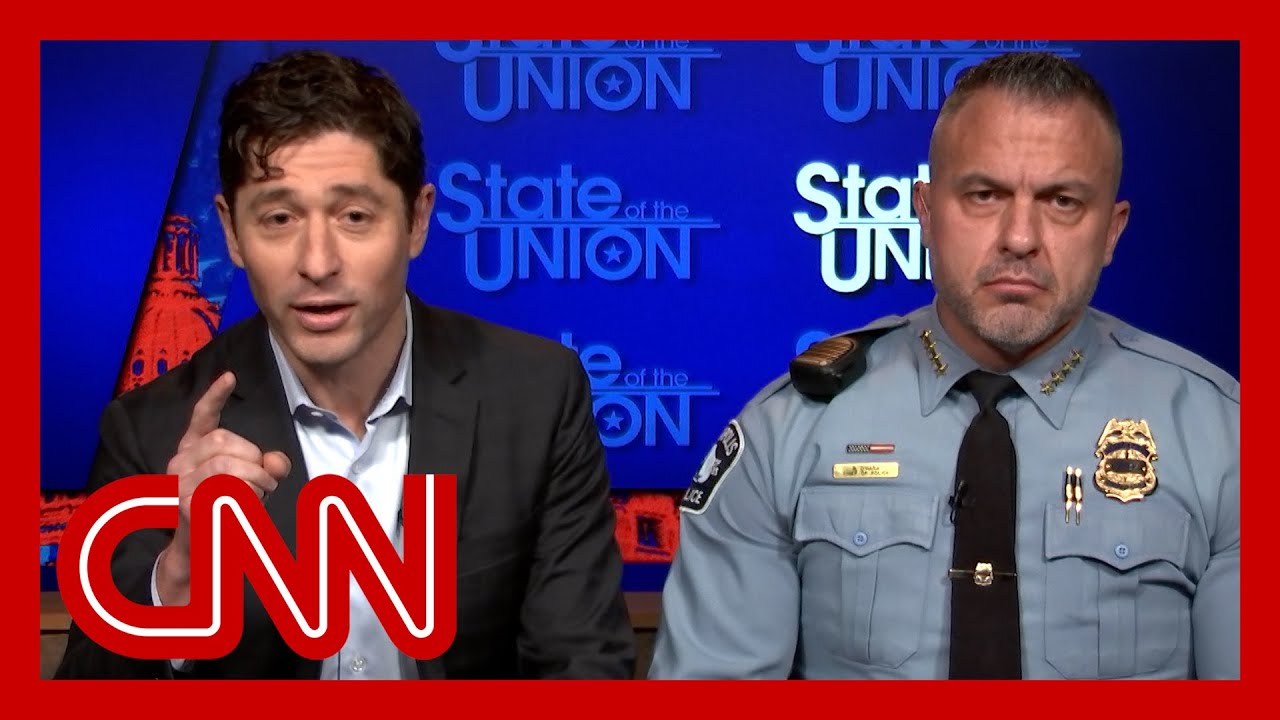 During an intense interview, Frey took aim at Noem’s portrayal of Minneapolis as a “dystopian hellhole,” asserting that the city has only experienced two shootings this year—one involving an ICE agent. Frey emphasized that the city is safe and that the federal presence is exacerbating tensions rather than alleviating them.
He accused ICE agents of overstepping their bounds, alleging that their actions are discriminatory and often target vulnerable communities. Frey expressed concern about the impact on local residents, noting that pregnant women and high school students have been unjustly apprehended. He argued that such tactics undermine public safety and community trust.
 Frey’s comments come in response to Noem’s assertion that local leaders have demonized ICE officers. The mayor firmly rebutted this claim, stating that his criticism stems from a genuine concern for the safety of Minneapolis residents. He emphasized the need for a neutral investigation into any incidents involving federal agents.
Police Chief Brian O’Hare echoed Frey’s sentiments, highlighting the importance of sound tactics during law enforcement operations. He acknowledged the challenges officers face but stressed the necessity of proportional responses to avoid unnecessary risks. O’Hare called for thorough investigations into use-of-force incidents, reinforcing the need for accountability.

The mayor’s remarks have sparked a debate about the role of federal law enforcement in local communities. While some argue that ICE agents are simply doing their jobs, Frey contended that their methods are out of step with constitutional enforcement and have led to increased community unrest.
 Frey reiterated his support for the Minneapolis police, praising their efforts in maintaining safety despite the federal presence. He noted that community members, who have historically been critical of law enforcement, are now rallying behind the police, recognizing their commitment to protecting the city.
In a defiant tone, Frey assured residents that Minneapolis is on a path to recovery and resilience. He highlighted the peaceful protests that have taken place, showcasing the community’s solidarity against divisive federal tactics. The mayor vowed to continue advocating for the rights and safety of all residents.
As tensions rise, the conflict between local leadership and federal enforcement agencies remains a focal point for many Minneapolis residents. The outcome of this ongoing struggle will likely shape the city’s future and its relationship with federal authorities. Frey’s passionate defense underscores the complexities of policing in an increasingly polarized environment.