In a dramatic confrontation at Mosquite Bend, Texas, Silas Mercer and Ayana, an Apache woman, stood united against a railroad company’s attempt to desecrate sacred burial grounds. The fierce defense has halted excavation plans, signaling a rare victory for indigenous rights and historic preservation in 1884’s turbulent West.
 The sun rose cold and clear over Mosquite Bend, illuminating a fragile willow fence woven by Ayana and her community. This barrier, physically delicate yet symbolically powerful, marks the boundary around an ancient burial ground targeted by the railroad’s expansion. Its preservation now hinges on the courage of unlikely allies.
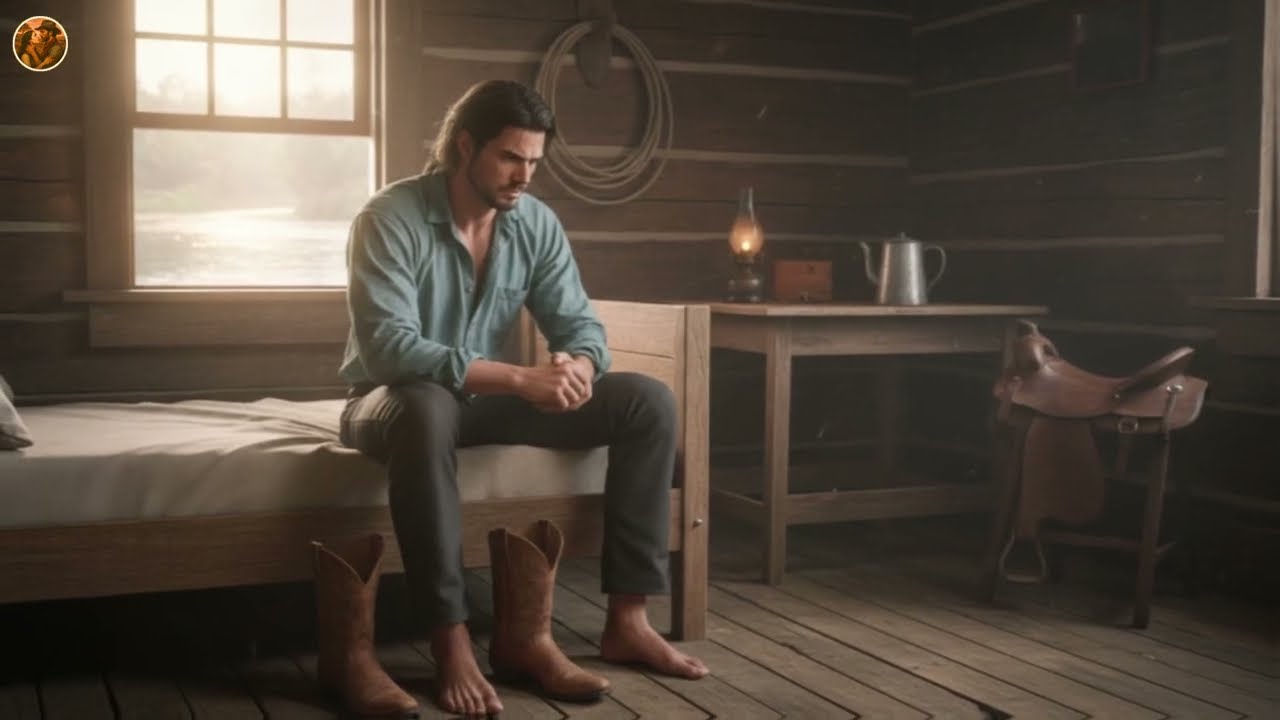
Silas Mercer, a rugged cattleman haunted by his past, returned to the river where history and memory intertwine. The stone tied to his hat for twenty-five years became the emblem of a promise renewed—he is the boy from the river, awakened to fight for the land and its forgotten stories.
Ayana, the steadfast Apache woman, recalls a childhood marked by stones and whispers of the river’s memory. Her calm resolve and intimate knowledge of the land have rallied a community determined to protect their ancestors’ resting place from the relentless march of progress.
The railroad’s foreman, Hammond, a figure from Silas’s painful youth and now a ruthless land grabber, ignited tensions by issuing a false accusation to discredit Ayana. His underhanded tactics galvanized Mercer and the Apache tribe, uniting them against a common, corrupt adversary.
 As dark thunderheads rolled in and fierce winds threatened their shelter, Silas and Ayana worked tirelessly to secure the camp. Their collaboration amid the storm forged a deeper bond, turning shared labor into solidarity against an encroaching, impersonal corporate force.
Legal notices posted in town declared the excavation imminent and warned of arrests for interference. Local whispers branded Ayana a troublemaker, reflecting town anxieties and the deep divisions progress often carves through communities. Yet, resistance only grew stronger on the banks of the river.
Through prayer and connection to the earth, Silas and Ayana found strength in the land’s ancient breath. Kneeling together in the grass at dawn, they listened not just with ears, but with hearts, honoring the soul of the river and its silent vow to remember.
The night before confrontation arrived, Ayana crafted a fence of willow branches and planted seeds meant to root deep beneath the soil, a living testament of defiance and hope that would outlast any corporate decree or legal document.
When Hammond’s armed crew appeared at dawn, expecting compliance, they found Mercer standing beside Ayana, ledger in hand, exposing corruption and bribery at the railroad’s highest levels. This revelation unraveled Hammond’s authority and halted the imminent desecration.
Sheriff Clay, faced with the undeniable evidence, disarmed discord by prioritizing justice over corporate interests. Hammond’s retreat marked a rare moment where law sided with heritage, setting a precedent against the exploitation of sacred indigenous sites.
The battle to protect the burial ground is not over, but this triumph kindled an unbreakable alliance. Silas and Ayana, once strangers connected by a river stone, now share a common purpose: to ensure memory and respect endure where greed once sought to erase.
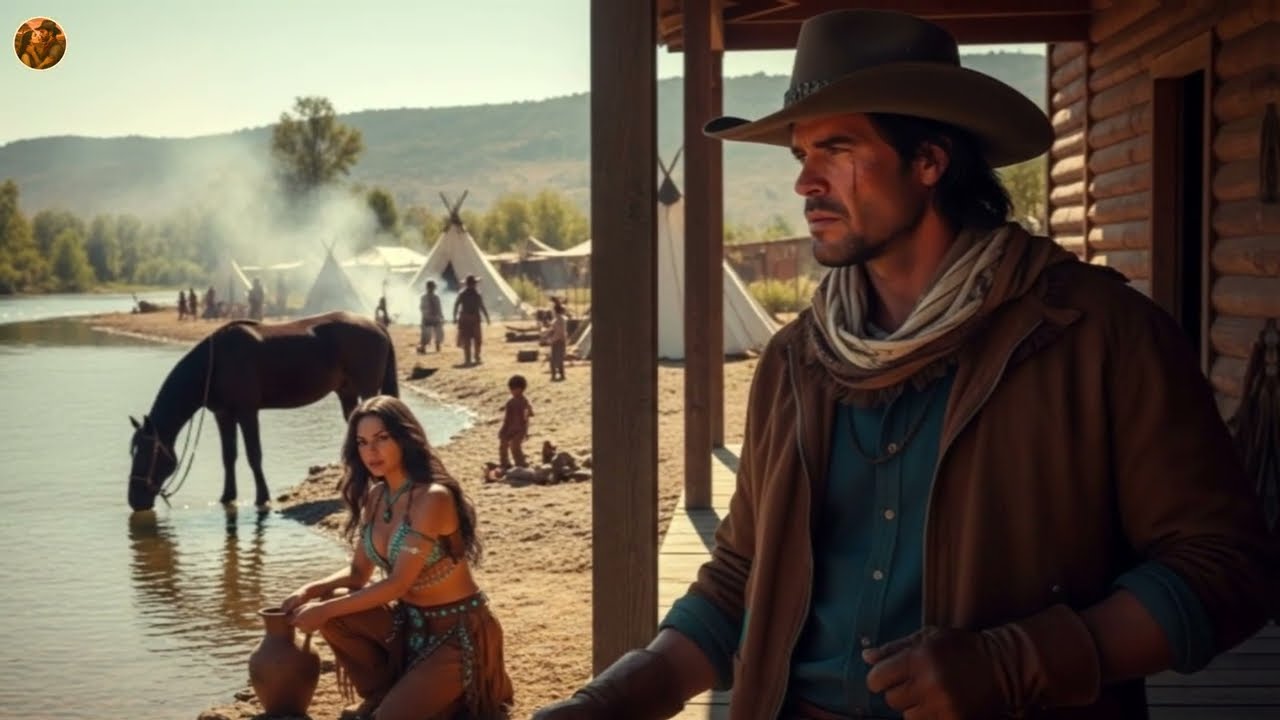 In the quiet aftermath, the river flows uninterrupted, the willow fence stands resilient, and wildflowers bloom as symbols of renewal. Together, they embody a sacred promise—a refusal to let history be bulldozed beneath the tracks of progress.
The story of Silas Mercer and Ayana transcends a simple land dispute. It is a testament to courage, remembrance, and the enduring spirit of those who rise to protect what cannot speak for itself but commands remembrance through water and stone.
As the sun sets on Mosquite Bend, the land breathes a little easier. This fight for justice is a vivid reminder: memory is a living thing, carried on wind, water, and the hearts of those brave enough to stand when injustice descends.
The Apache woman’s voice still echoes across the river: “The river hasn’t changed. Only people have.” Today, Silas Mercer and Ayana show that some promises, like the stones beneath the river, are meant to be held fast—and never forgotten.