Newly released video analyses are shedding critical light on the Minneapolis shooting of Renee Good by ICE officers, raising urgent questions about the events leading up to her tragic death. As the New York Times meticulously syncs multiple footage angles, the narrative surrounding this incident is rapidly evolving.
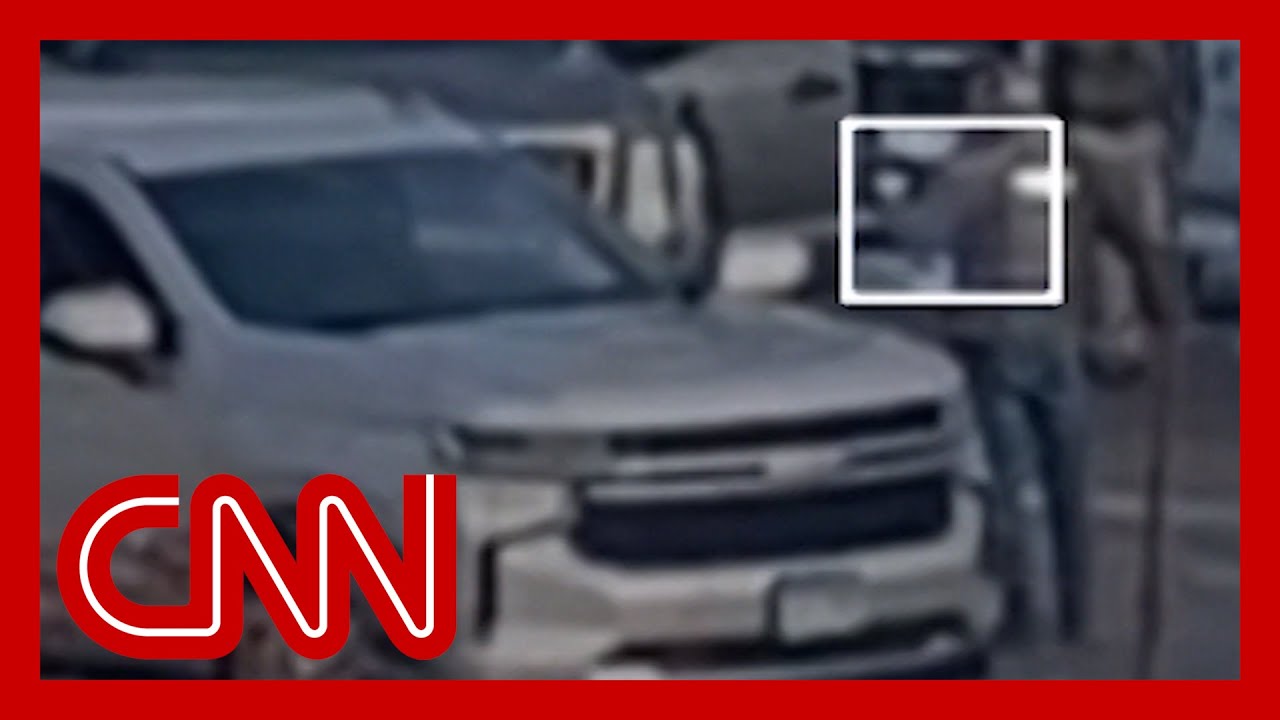 In a detailed breakdown of the footage, the New York Times reveals the moments leading up to the shooting, highlighting the positioning of the officers involved. The analysis indicates that ICE Agent Ross, who fired the fatal shots, did not move out of the way as Good’s vehicle approached, contradicting initial claims about the incident.
The video shows Good attempting to execute a three-point turn in her SUV, with her tires briefly pointing towards Agent Ross. However, the analysis clarifies that this was not an aggressive maneuver; rather, she was simply repositioning her vehicle. As the footage unfolds, it becomes evident that she was not aiming to hit the officer.
 Moreover, the analysis scrutinizes the agent’s actions during the confrontation. Viewers witness Agent Ross moving closer to Good’s vehicle as it was in motion, a practice contrary to law enforcement protocols designed to minimize risk. This raises questions about the training and decision-making of the officers involved.
The analysis also addresses the moment when Agent Ross fired his weapon, suggesting that he was not struck by Good’s SUV, as initially reported. Multiple angles reveal a gap between his legs and the vehicle, indicating he was not in the path of the car when he discharged his weapon.

Further dissection of the footage reveals that the apparent chaos captured by Ross’s cell phone was not due to him being knocked over but rather the natural movement of the camera as he aimed at Good. The analysis emphasizes Ross’s stability during the shooting, raising further questions about the justification for his actions.
 As the investigation continues, the New York Times has made this crucial video analysis available, inviting the public to engage with the evidence and draw their own conclusions. The ongoing scrutiny of law enforcement practices in high-stakes situations remains a pressing topic, especially in light of this recent incident.
This tragic event serves as a stark reminder of the complexities surrounding police interactions and the dire consequences that can arise. As more details emerge, the call for accountability and transparency in law enforcement grows louder, underscoring the need for systemic change.
For those seeking to understand the full scope of this incident, the New York Times offers a comprehensive look at the events leading to Renee Good’s death. The unfolding narrative is not just about one tragic loss but reflects broader societal issues that demand urgent attention and action.