In a chilling revelation, Alan Kite was convicted for the brutal murders of Samo Paul and Tracy Turner, two vulnerable women linked to a dark series of killings in the Midlands. This chilling case reopened cold files that had haunted investigators for years, uncovering a nightmare serial killer who preyed on society’s most vulnerable.
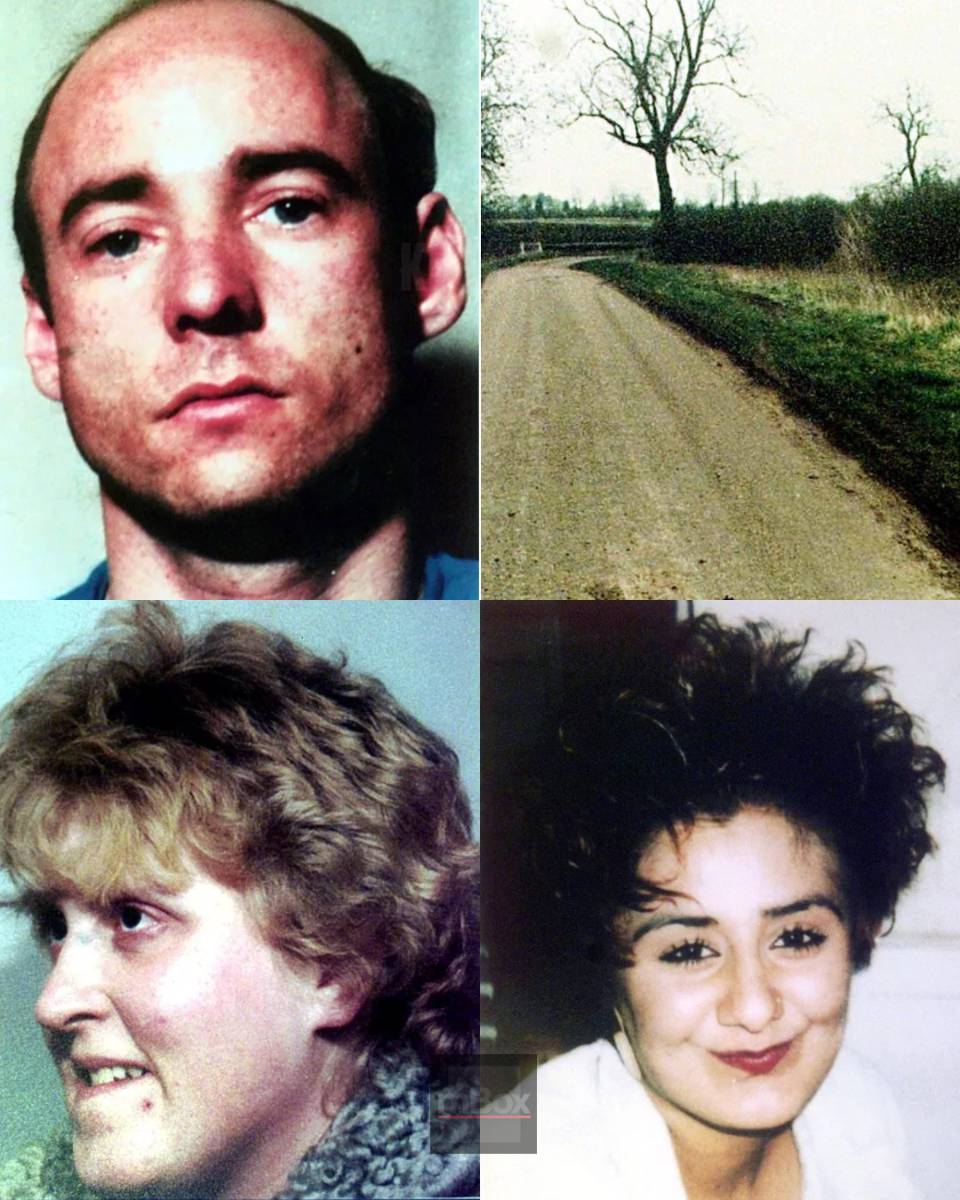 The gruesome discoveries began in the early 1990s with the bodies of Samo Paul and Tracy Turner found dumped near Leicester, both stripped nearly naked and murdered in cold blood. Samo, a young prostitute from Birmingham, vanished in December 1993, her body discovered weeks later in a ditch. Tracy’s fate was eerily similar, found murdered just three miles away in March 1994.
Detective Mick Creeden spearheaded the reopening of these cold cases in 1997, fueled by new leads and the horrifying realization they might be linked. Unlike typical investigations, these cases presented almost no forensic clues, no witnesses, CCTV footage, or weapons—only the victims remained as silent testaments to their killer’s cruelty.
The path to justice was steep. Forensic officer Orlando Elmhurst described the initial scenes as nightmarish—bodies abandoned in isolated, bleak locations with no clear evidence to follow. Samo’s body was discovered frozen in water, with no DNA or fingerprints to identify the perpetrator. Tracy’s case similarly yielded only scant physical evidence, making detection a labyrinthine challenge.
Both victims’ vulnerable lives as 𝒔𝒆𝒙 workers clouded public and investigative response, reflecting societal prejudices that initially hindered proactive investigation. The victims’ isolation and life circumstances meant their disappearances went unnoticed or unprioritized, allowing the killer to remain free and strike again.
A breakthrough came during the arrest of Alan Kite in 1997 for an unrelated 𝒔𝒆𝒙𝒖𝒂𝒍 𝒶𝓈𝓈𝒶𝓊𝓁𝓉 in Somerset. DNA from Kite matched forensic samples found on Tracy Turner’s body, electrifying the cold case investigation. Kite’s denials rang hollow as the genetic evidence tied him irrevocably to the heinous crimes.
Kite’s extensive travels for work, involving mechanics and car theft, aligned with the mobility necessary to commit these crimes across counties. Witness reports of a man driving a brown Ford Sierra with a female passenger matching Samo’s description placed Kite at the center of the investigation, deepening the case against him.
Investigator Creeden described Kite as one of the most disturbing individuals he had ever interviewed—manipulative, misogynistic, and deeply brutal. The slow, methodical police work, involving forensic sweeps and witness interviews, pieced together Kite’s movements and linked him to the murders, overcoming years of cold trails.
In February 2000, Kite faced trial on murder charges for Samo and Tracy at Nottingham Crown Court. Despite vehement denials, the overwhelming DNA evidence, combined with witness testimonies and circumstantial links, led to his conviction and a life sentence, with a minimum 25-year term recommended.
The verdict finally brought closure to the victims’ families after years of anguish, yet lingering fears remain. Kite has never confessed to the murders, raising concerns about potential other undiscovered victims. Authorities continue to monitor his parole eligibility carefully, mindful of the danger he posed to the public.
Operation Enigma, a nationwide probe into over 200 unsolved 𝒔𝒆𝒙 worker murders linked to similar patterns, highlighted challenges in connecting far-flung crimes to single suspects. While Kite was linked definitively to two victims, investigations into related murders continue, underscoring ongoing risks lurking within the unresolved cases.
Reflecting on the investigation’s emotional toll, Creeden acknowledged the permanent scars left on officers who piece together such horrific crimes. The meticulous, often painful uncovering of the truth is a heavy burden, but securing justice remains a vital imperative for victims and society alike.
This pivotal case 𝓮𝔁𝓹𝓸𝓼𝓮𝓭 systemic failures in the early handling of vulnerable victim cases and sparked a shift toward more comprehensive and empathetic investigations. The lessons learned continue to influence law enforcement tactics and societal attitudes towards vulnerable populations and cold case resolutions.
As Kite remains imprisoned, authorities urge him to confront his crimes fully to assist justice for other possible victims. The quest for truth and closure persists, as law enforcement remains vigilant against those lurking in the shadows, ready to exploit the most vulnerable once more.
The Midlands Ripper case remains a stark reminder of the brutal realities confronting 𝒔𝒆𝒙 workers and the relentless dedication required to bring cold cases into the light. As the nation grapples with this harrowing story, justice, remembrance, and prevention stand as crucial pillars moving forward.